
Ever walked into a store for toothpaste…
…and somehow walked out with scented candles, a notebook you’ll probably never use, a water bottle, snacks, and a plant?
Congratulations.
You’ve just experienced the beautiful chaos of customer psychology.
Here’s the plot twist:
Most buying decisions aren’t made because we need something.
They’re made because something made us feel something.
And that’s where visual merchandising quietly works its magic.
🧠 Your Brain Loves Easy Decisions
Our brains make thousands of decisions every day.
By the time we walk into a store, they’re looking for shortcuts.
A well-organized display tells your brain:
“Relax. I’ve already done the hard work.”
Instead of hunting through endless shelves, customers instantly know where to look, what matches, and what they might like.
Less thinking.
More shopping.
👀 We Buy With Our Eyes First
Before reading a price tag…
Before checking reviews…
Before touching the product…
We notice it.
Humans process visuals incredibly fast, which means first impressions happen almost instantly.
That’s why colours, lighting, textures, height, spacing, and even empty space matter.
If something looks premium…
It already feels valuable.
❤️ Emotion Always Gets a Vote
People rarely buy products.
They buy a feeling.
A cosy blanket?
They’re buying comfort.
A travel backpack?
They’re buying adventure.
A luxury perfume?
They’re buying confidence.
Visual merchandising helps customers imagine life with the product before they ever own it.
Because if they can picture it…
They’re already halfway to the checkout.
🤝 The “Everyone Else Wants It” Effect
Ever noticed displays with signs like:
“Best Seller”
“Trending Now”
“Customer Favourite”
Suddenly that item feels… important.
Psychologists call this social proof.
If everyone else loves it, our brains naturally become curious.
It’s basically FOMO (fear of missing out) dressed up as retail.
⏳ Scarcity Makes Things More Desirable
“Limited Edition.”
“Only 5 Left.”
“Seasonal Collection.”
Nothing motivates people quite like the possibility of missing out.
When something seems rare, it instantly feels more valuable—even if we weren’t interested five seconds ago.
Our brains really do enjoy making life dramatic.
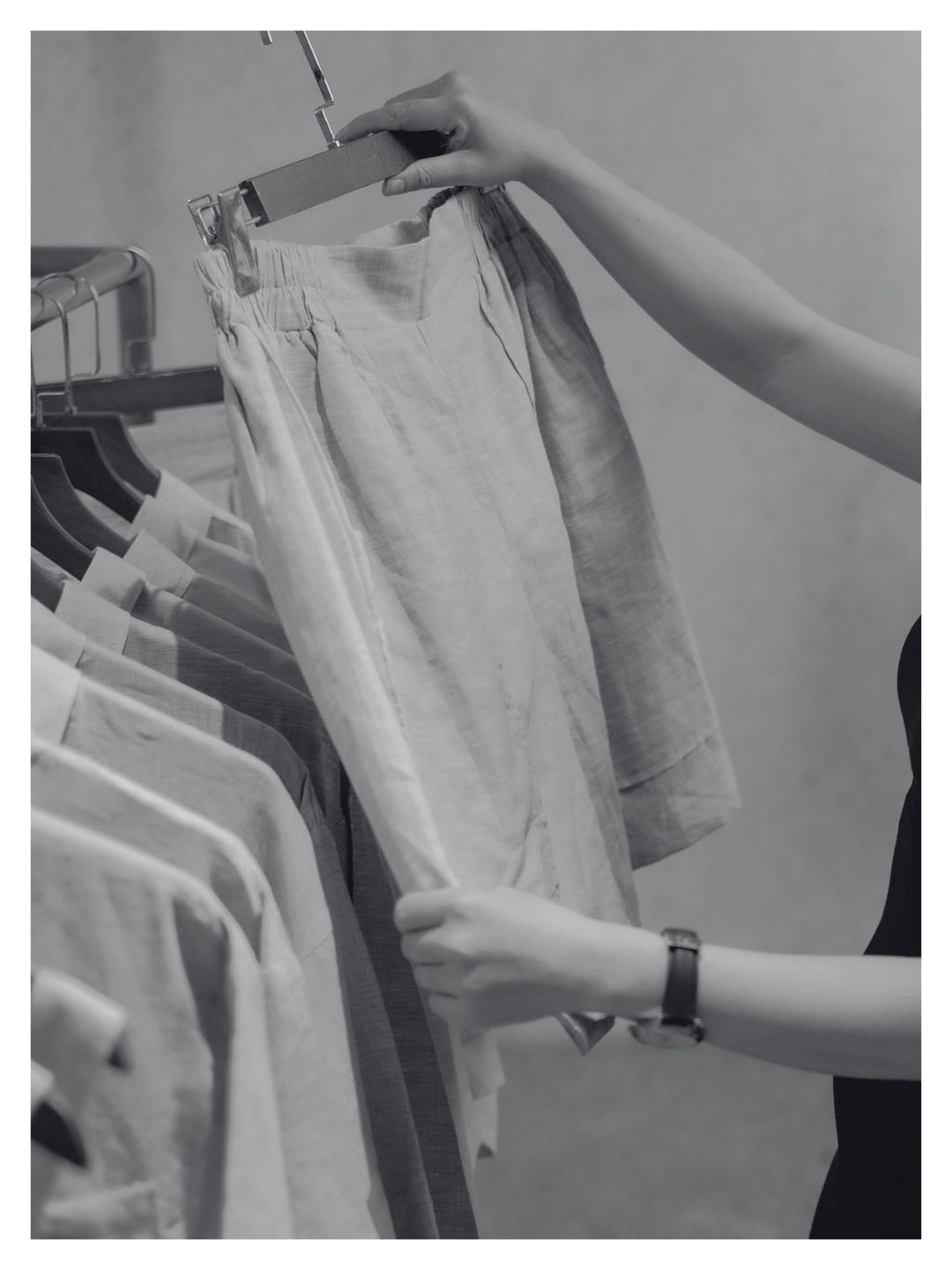
🛍️ The Power of Touch
The longer someone interacts with a product…
…the more likely they are to buy it.
That’s why stores encourage customers to:
• Pick it up.
• Try it on.
• Test it.
• Sit on it.
• Smell it.
• Experience it.
The product starts feeling like it’s already theirs.
🎯 So What Does This Mean for Visual Merchandising?
A visual merchandiser isn’t trying to “trick” customers.
They’re designing an experience that feels intuitive, inspiring, and enjoyable.
Every display answers silent questions like:
- Where should I look first?
- What’s new?
- What goes together?
- How would this fit into my life?
- Is this worth my attention?
When those questions are answered visually, shopping becomes effortless.
The Takeaway
People don’t always buy the best product.
They often buy the product that made the best first impression, sparked an emotion, or was easiest to discover.
That’s the fascinating part of visual merchandising.
It isn’t just about making stores look beautiful.
It’s about understanding people.
Because behind every shopping basket is a human brain making hundreds of tiny decisions…
…and visual merchandising is quietly helping every single one of them.
Next time you walk into a store, pay attention.
Notice what catches your eye first.
Chances are…
It didn’t happen by accident. 😉
“What’s the most unexpected thing you’ve ever gone into a store for—and what did you actually leave with?”
Leave a Reply