

more inspirations


“balance in a busy, beautiful world”
― denmtravels
more inspirations
inspirations
explorations
collaborations
downloads
more links
(select an image to view its content)
* connect with denmtravels
* view excursion ideas
* shop tees.totes.and.more


“take care
of your mental, physical and spiritual wellbeing”
― denmtravels

Studies
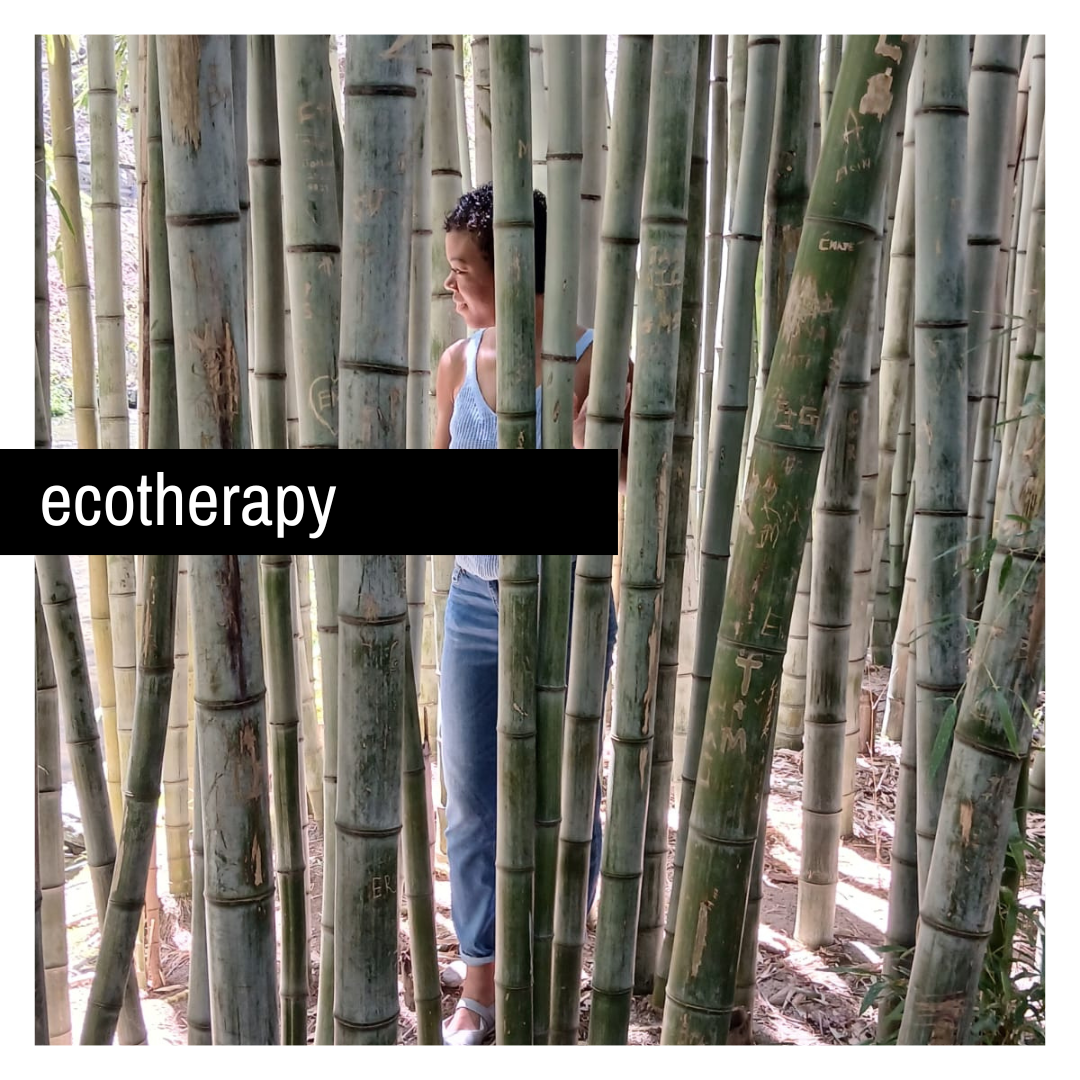
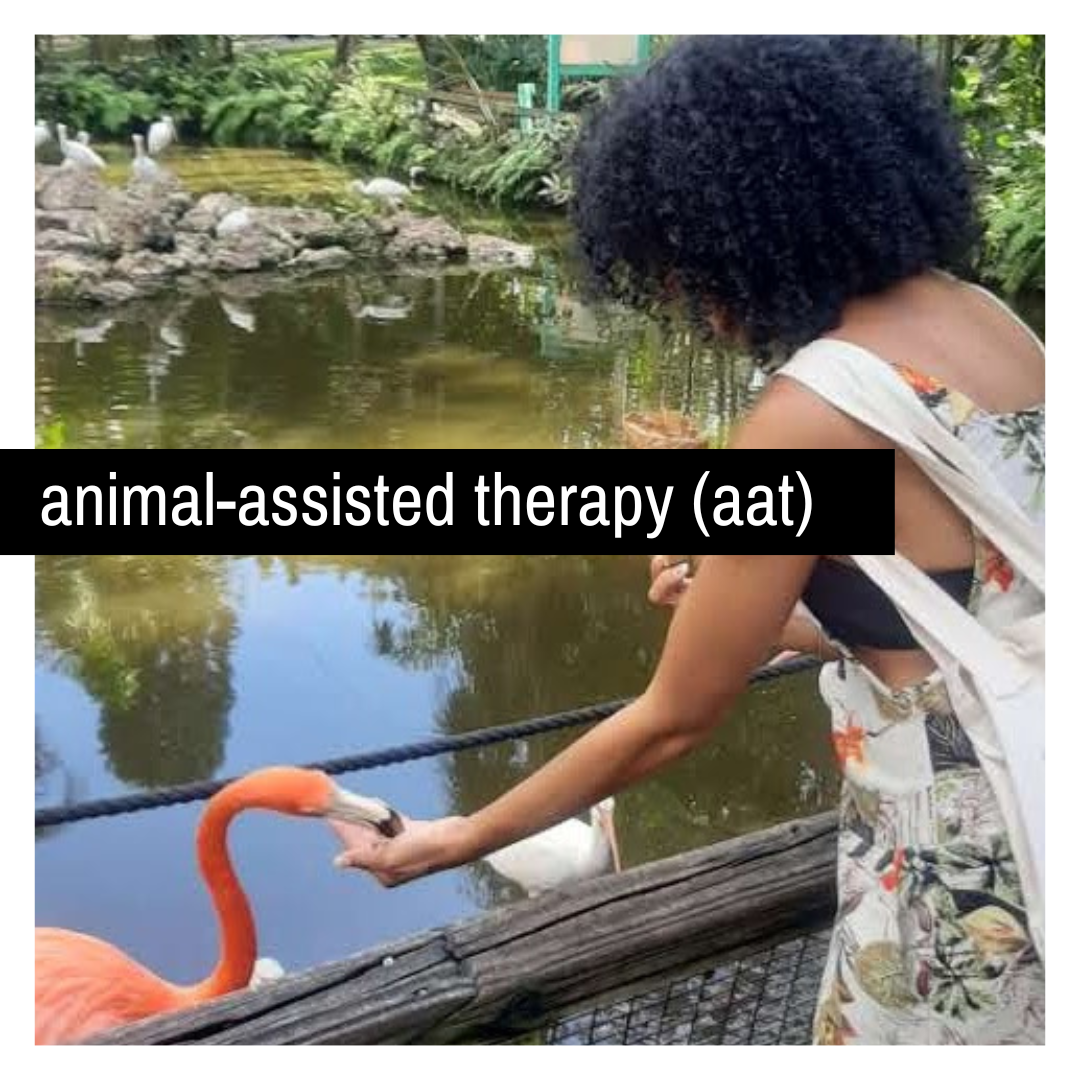
So! We’ve got “Blue Mind Therapy”, and then there’s “Green Therapy”, “Nature Therapy”, or “Ecotherapy”, as it’s formally known.
Any time you find yourself outdoors engaging in an activity in/with mother nature that relaxes you or puts you at ease, bringing enlightenment and joy to your soul, and making you conscious of your inner being, you’re engaging in Ecotherapy.
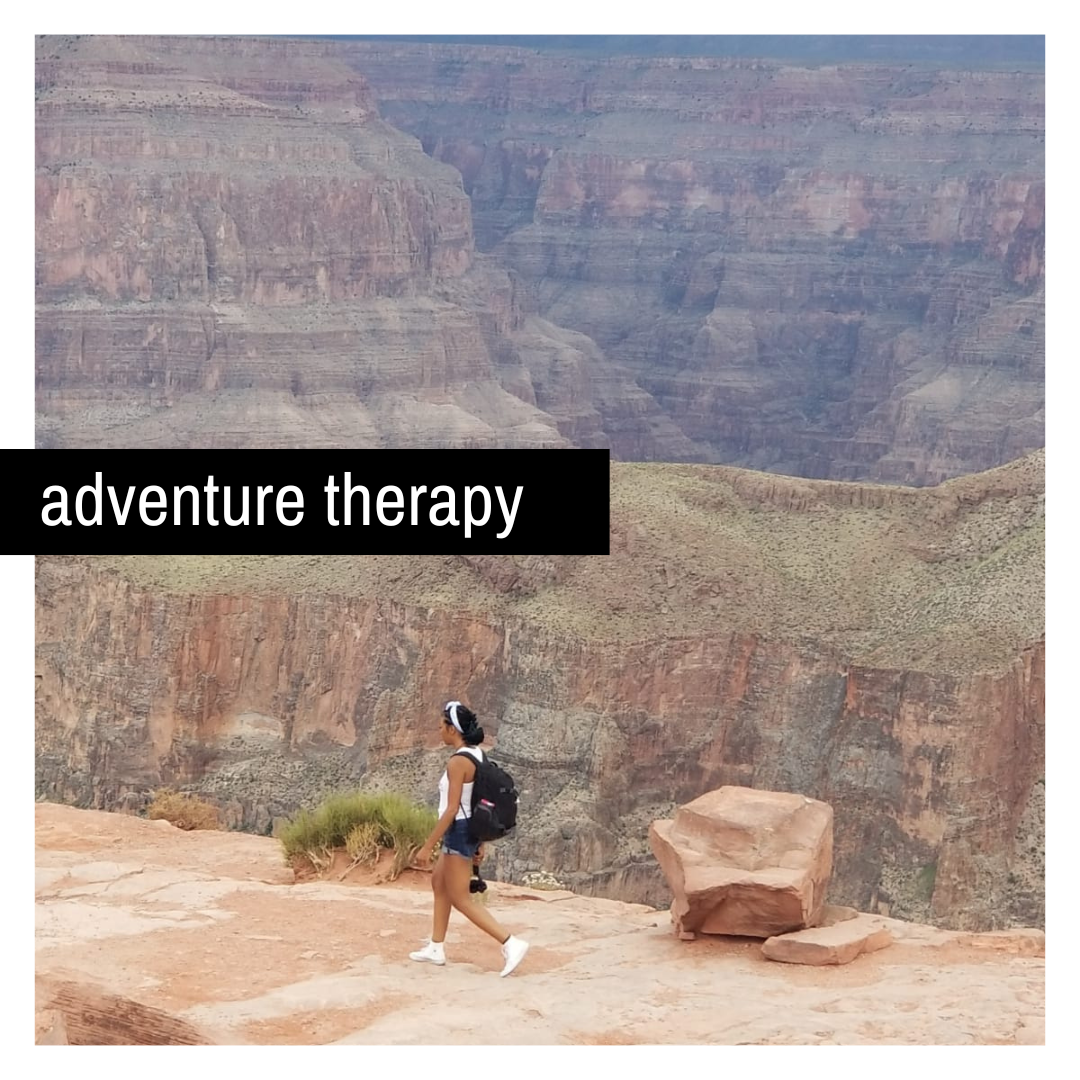
Additionally,“Adventure-based Ecotherapy involving more active outdoor experiences, like rock climbing or kayaking, are used as a way to face fears and build resilience.”
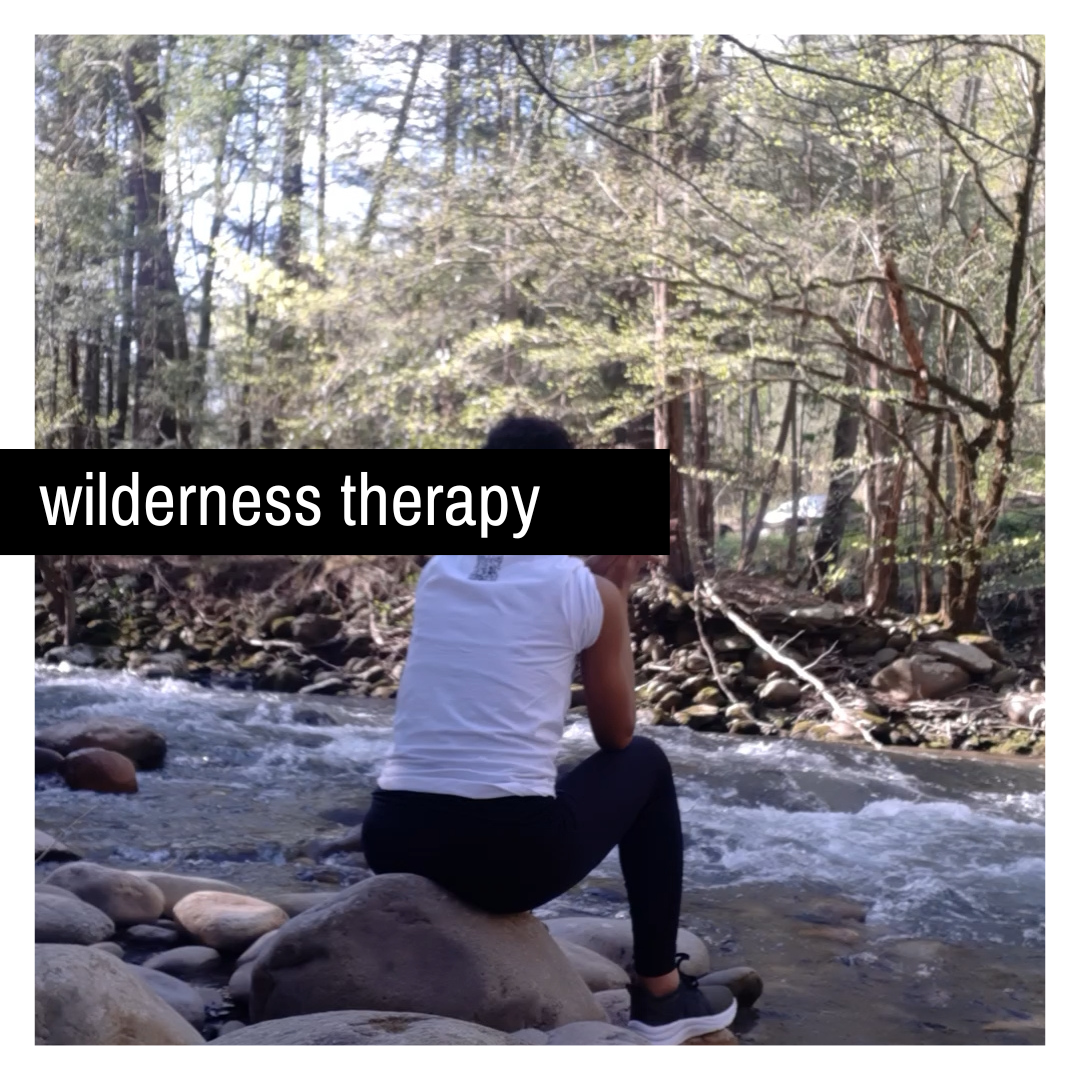
“Wilderness therapy, or outdoor behavioral healthcare, is a, often controversial, treatment for adolescents and young adults (typically ages 12–28) that combines intensive therapy with outdoor living to treat emotional, behavioral, and substance use issues. Participants live in nature, learning self-care and responsibility to foster personal growth, confidence, and behavioral changes. While considered effective by some studies, others highlight risks including potential for abuse, safety issues, and lack of regulation.”
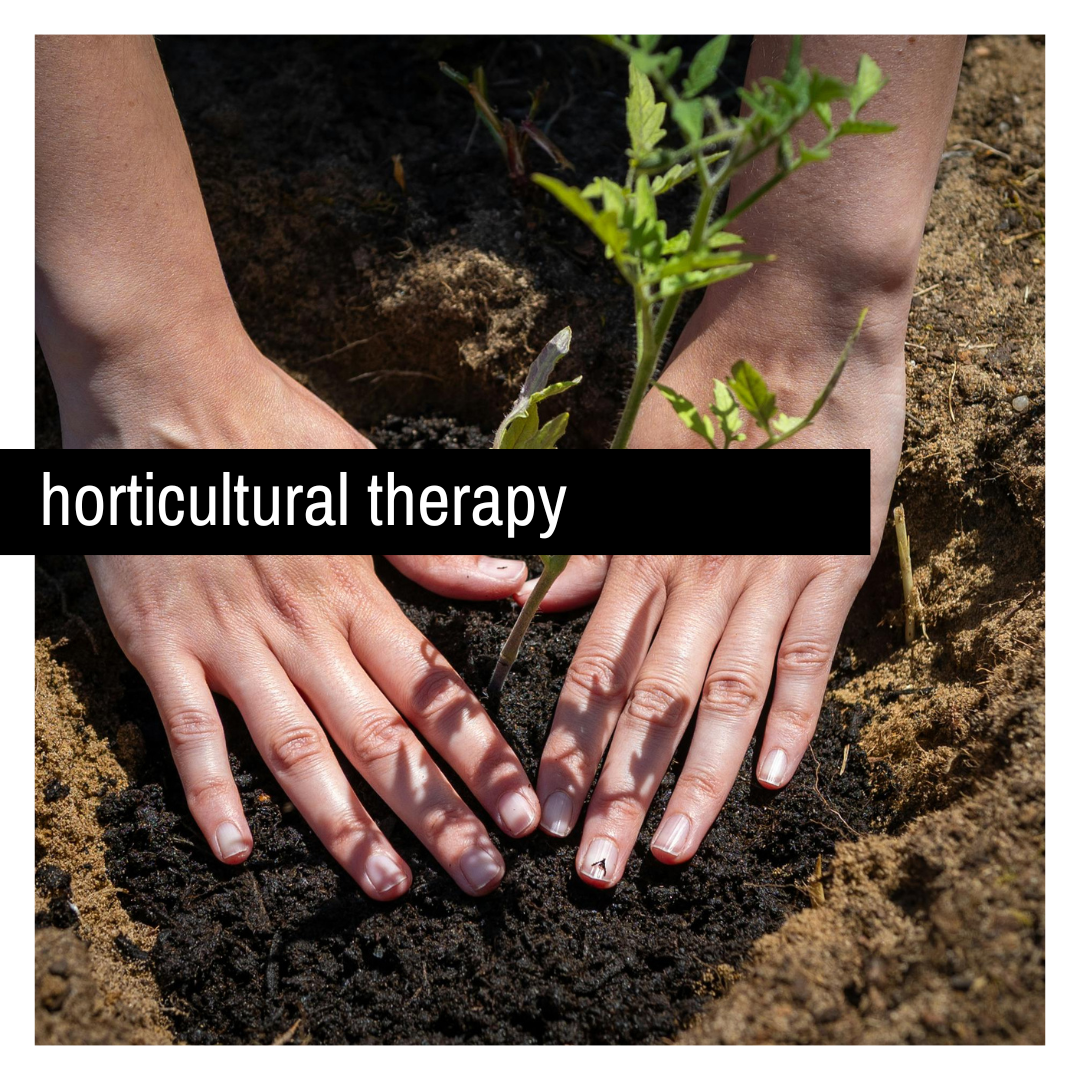
Sungazing, sound baths, gardening and grounding, are all forms of ecotherapy. The premise is intentionally connecting with nature to improve your physical health, boost mentality and cultivate a better emotional well-being. Ecotherapy has been prescribed and used as a complementary therapy for conditions like depression, PTSD, anxiety and chronic stress for years, and is becoming increasingly popular today.
Just think! You’ve been taking leisurely strolls in parks and feeling great afterwards, participating in “Ecotherapy”. Keep up the good work! (^_^)
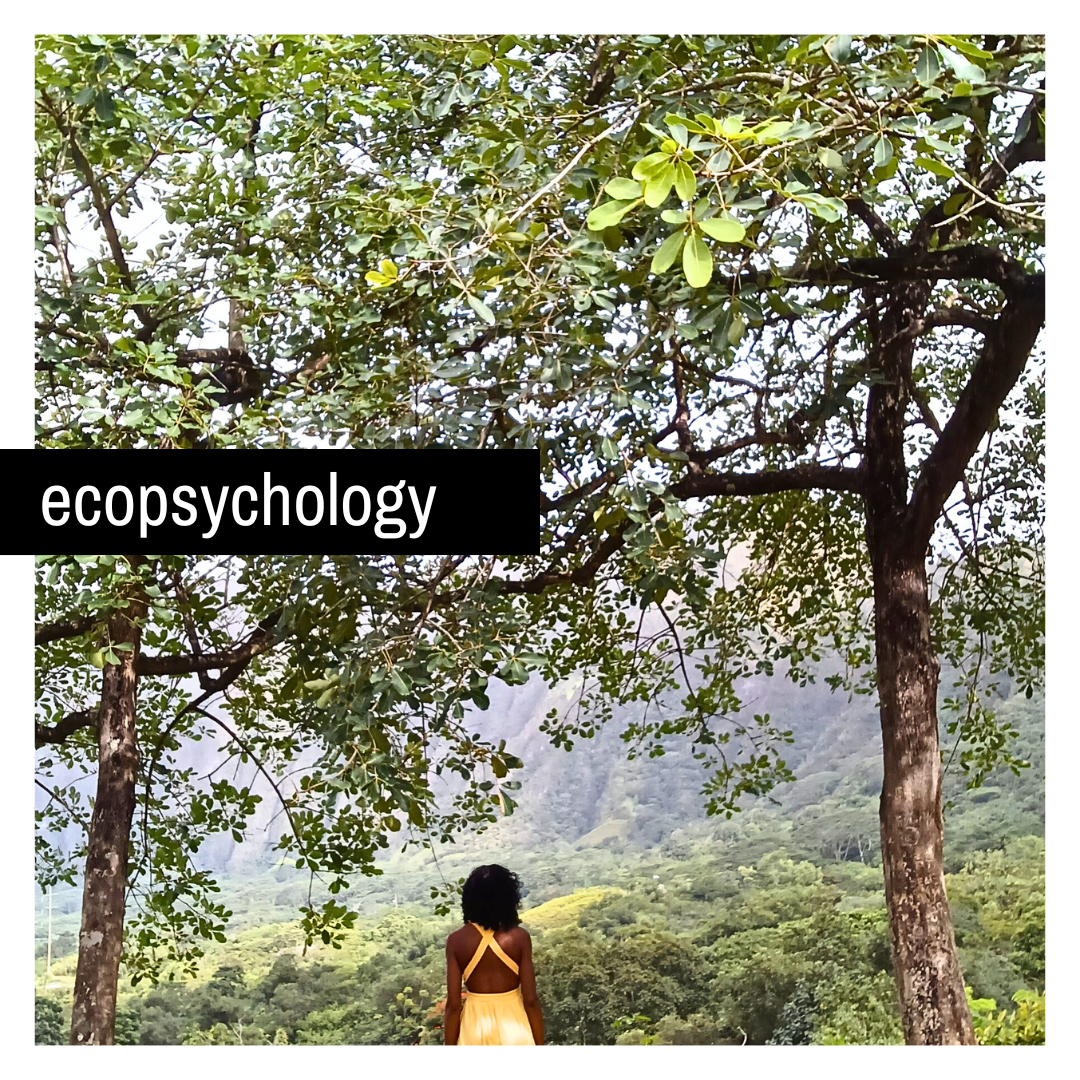
But there’s more! There’s theory to practice, focusing on the healing connection between humans and nature. Ecopsychology is the theoretical foundation, Ecotherapy is the broad practice, Nature-based therapy is the application, and Ecopsychotherapy is clinical treatment integrating the psyche with nature.
Ecopsychology (Theory): The study of the relationship between human mental health and the health of the natural environment. It is the overarching field that bridges psychology and ecology.
Ecotherapy (Broad Practice): The application of ecopsychology principles in nature-based interventions, such as horticultural therapy, forest bathing, or wilderness therapy. It aims to improve mental health through nature connection.
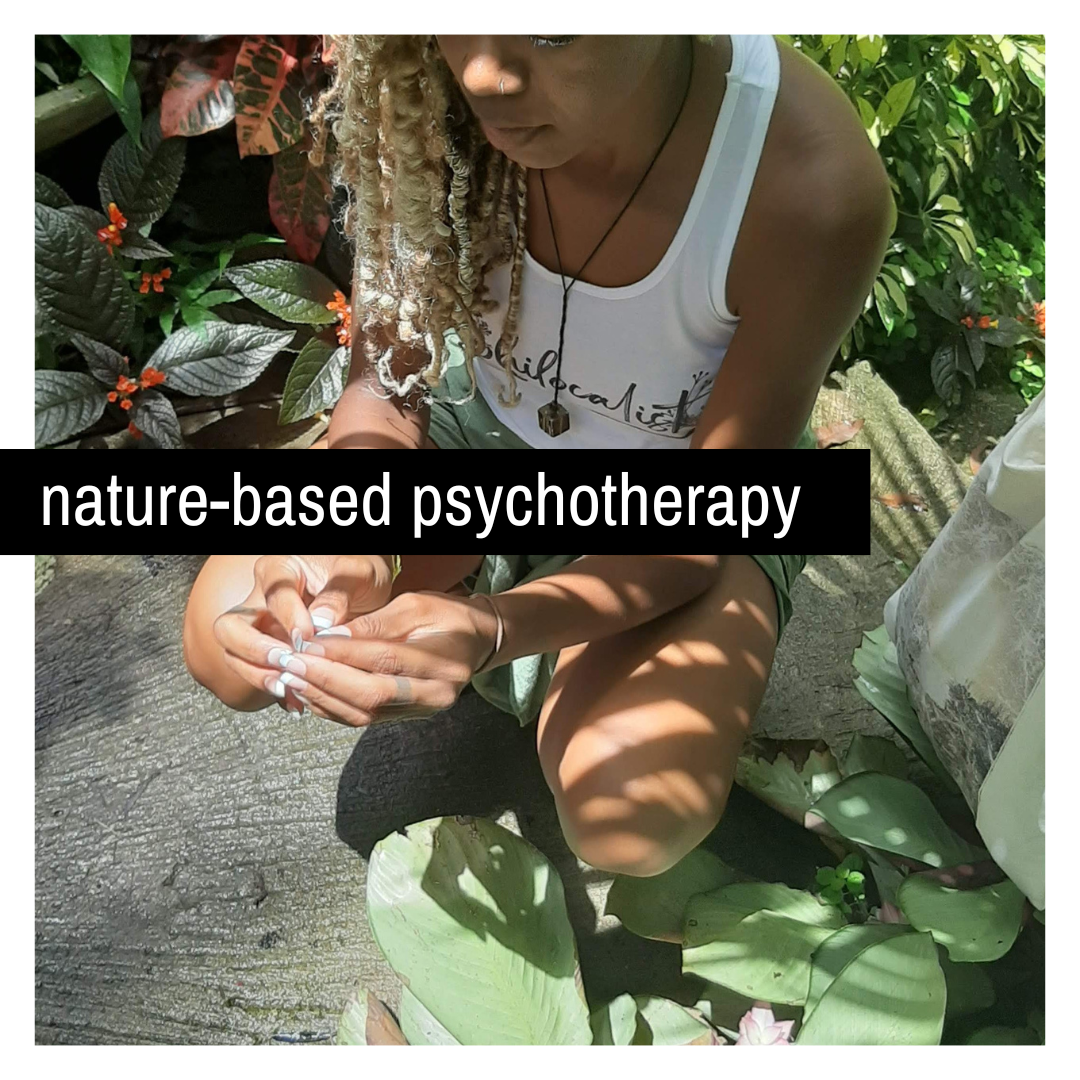
Nature-based Psychotherapy (Application): A specific, often structured form of therapy that uses the natural environment for healing, often utilizing sensory experiences in nature as metaphors or tools for therapy.
Ecopsychotherapy (Clinical Treatment): A specialized form of psychotherapy, conducted by trained professionals, that incorporates ecological principles to treat psychological issues. It addresses the repressed relationship with nature.
Key Differences at a Glance
| Term | Primary Focus | Role |
| Ecopsychology | Theory & Philosophy | Defines how nature affects human mental health |
| Ecotherapy | Practical Application | Broad diverse activities (gardening, hiking) to improve well-being |
| Nature-Based Psychotherapy | Therapeutic Intervention | Structured counseling in a natural setting |
| Ecopsychotherapy | Deep Clinical Work | Specialized psychotherapy addressing psyche-nature disconnection. |
Key Distinctions:
• Theory vs. Action: Ecopsychology provides the why (theory), while Ecotherapy provides the how (practice).
• Clinical vs. General: Ecopsychotherapy involves licensed practitioners focusing on clinical mental health, whereas Ecotherapy can be conducted by various facilitators (e.g., therapists, gardeners) and may be less focused on deep psychotherapy.
• Scope: Ecotherapy may sometimes focus solely on human benefit, while some proponents emphasize a “two-way” relationship, requiring ecological responsibility.
“🌿Mother Nature’s Prescription: 100% Free 🌿”
if someone told you there was a prescription that could:
. Lower stress.
. Improve your mood.
. Boost your immune system.
. Help you sleep better.
. Increase creativity.
. Cost absolutely nothing…
…you’d probably assume they were trying to sell you an overpriced wellness course.
Plot twist.
It’s called going outside.
… read the full post here …
Subscribe below to receive the latest blog posts.
Read now, “Balance in a busy, beautiful world“ | “Your 9–5 Is Not Your Whole Life”

Breathwork
We’re breathing every second of everyday, often oblivious of that mere fact. Breathwork comes in to teach us intentionality, awareness and focus. The practice of paying closer attention to our breath, almost meditative, to be able to control the rhythm and pace, increasing self-awareness and having deeper mindfulness experiences. In different practices, breathwork techniques improve physical, mental, and emotional well-being, reducing stress, enhancing energy, and promoting relaxation

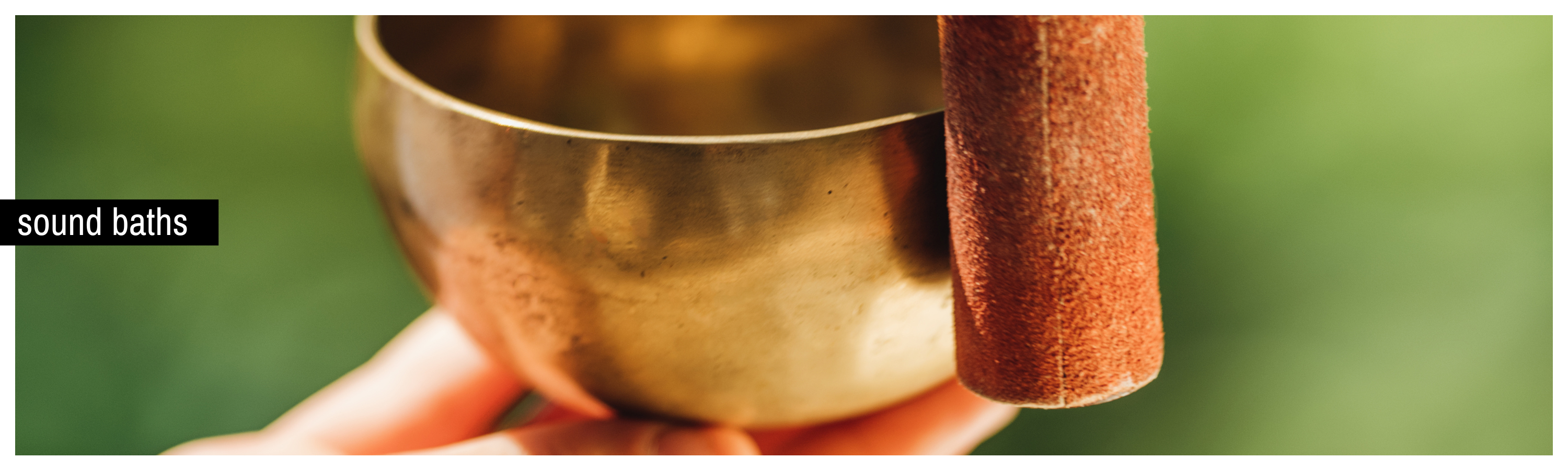
Sound Baths
Also referred to as sound therapy. But don’t think just any noise. Think of ocean waves, birds chirping, rain, wind… The ideal is to either sit or lay comfortably, relax and immerse yourself in those sounds around you. Simply enjoy. No pressing thoughts, no pertinent questions, no real focus. This can be done with a trained facilitator to guide you, or you can take on the challenge yourself. The goal is to allow for the frequencies and vibrations to help balance your energy, reduce stress, promote relaxation, and enhance mental clarity.
Wind chimes and gongs have also been used.
In the practice, the most popular instrument when facilitating a guided mediation and sound baths, sound bowls are used. Think of exactly that, bowls. But these bowls are fancier! Created in a such a way, from different materials, such as copper, bronze, brass, crystal, or other metals, and created in different sizes: large, medium, small, to create different volumes. The higher the quality, the higher the price.
Nature sounds are my favourite. Visit denmtravels on youtube this spring, for some samples to help you with your sound bath sessions.
Then, they’re hertz frequencies. Solfeggio frequencies, are sound tones of different hertz said to also have positive effects on the mind, body, and spirit. I won’t go into grave detail on the history and origin of Solfeggio, besides it being about 17th century and presumably Italian, and the frequencies range from 174 Hz to 963 Hz. Then each one is said to have an affiliation with a chakra and an effect on an emotion.

Blue Mind Therapy
They’re a lot of things some of us have been doing from childhood, now come to find out they have special names to them. One of those things is “Blue Mind Therapy”. And to be quite honest, from what I researched, the term is relatively new. The science behind the effects of being near water has been around, but the term Blue Mind Therapy is still becoming a thing.
If you were fortunate to have grown up in the islands, consider yourself fortunate. Ever wondered how come e’rybody and they grandma run to the islands? Why they’re so many cheap cruises? Why people retire to Florida or The Caribbean? Besides the warm weather practically all year long, there’s nothing comparable to those clear, blue waters. Now, they are some Asian Pacific Islands that are growing in popularity, and many African Americans are considering their “return” to Africa. And yes! Africa has some of the world’s most amazing beaches! But the concept of Blue Mind Therapy does not only refer to beaches, it’s the general being near any body of water. Try paying attention to how you feel just even sitting quietly near a water fountain in the park or even in a mall. This is also why some people install a water feature in their backyard; here, they don’t need to go far and spend a ton of money to experience the calming effects of water.
It’s a unique, calming, meditative experience in general. And with a relaxed state of mind, can reduce anxiety, lower stress levels, improve focus and mental clarity, encoraging greater creativity, and promote wellness and well-being. Enhancing your overall mood. Even if you can’t get to any body of water, try listening to water sounds online, and visualize yourself being near or in that particular space. Notice how you feel afterwards.
Colour Therapy
… its undeniable that we get all our good looks from nature. I mean that’s in terms of all the pretty colours we see all around us. The blue skies and blue oceans, the green grass and trees, the vast array of colours from flowers to the rainbow. I don’t know about you, but I just love it! With the advancement of man and the crave for knowledge and explanation of things, many theoris and therapies have been developed and another one is that of colour; “colour therapy”
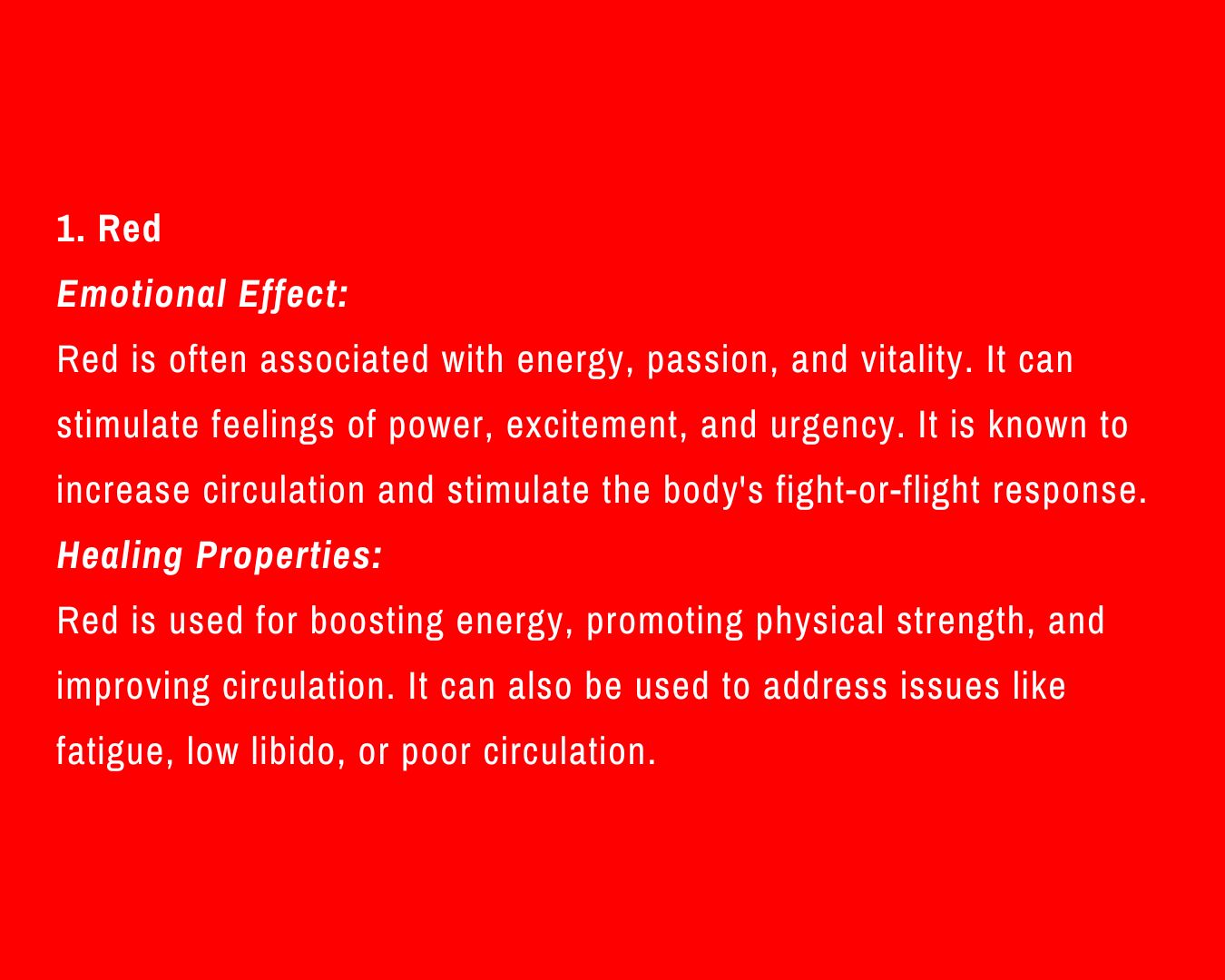
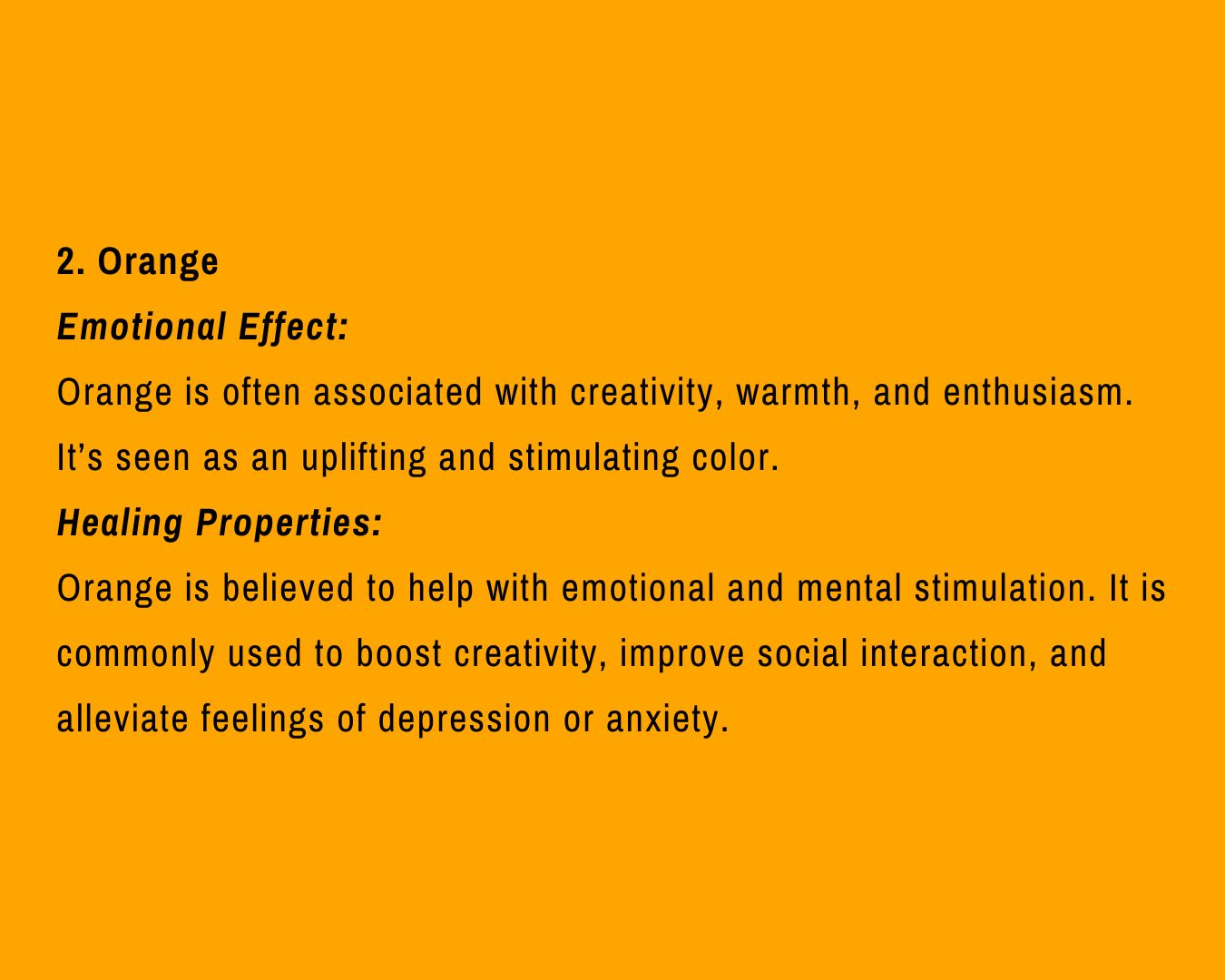
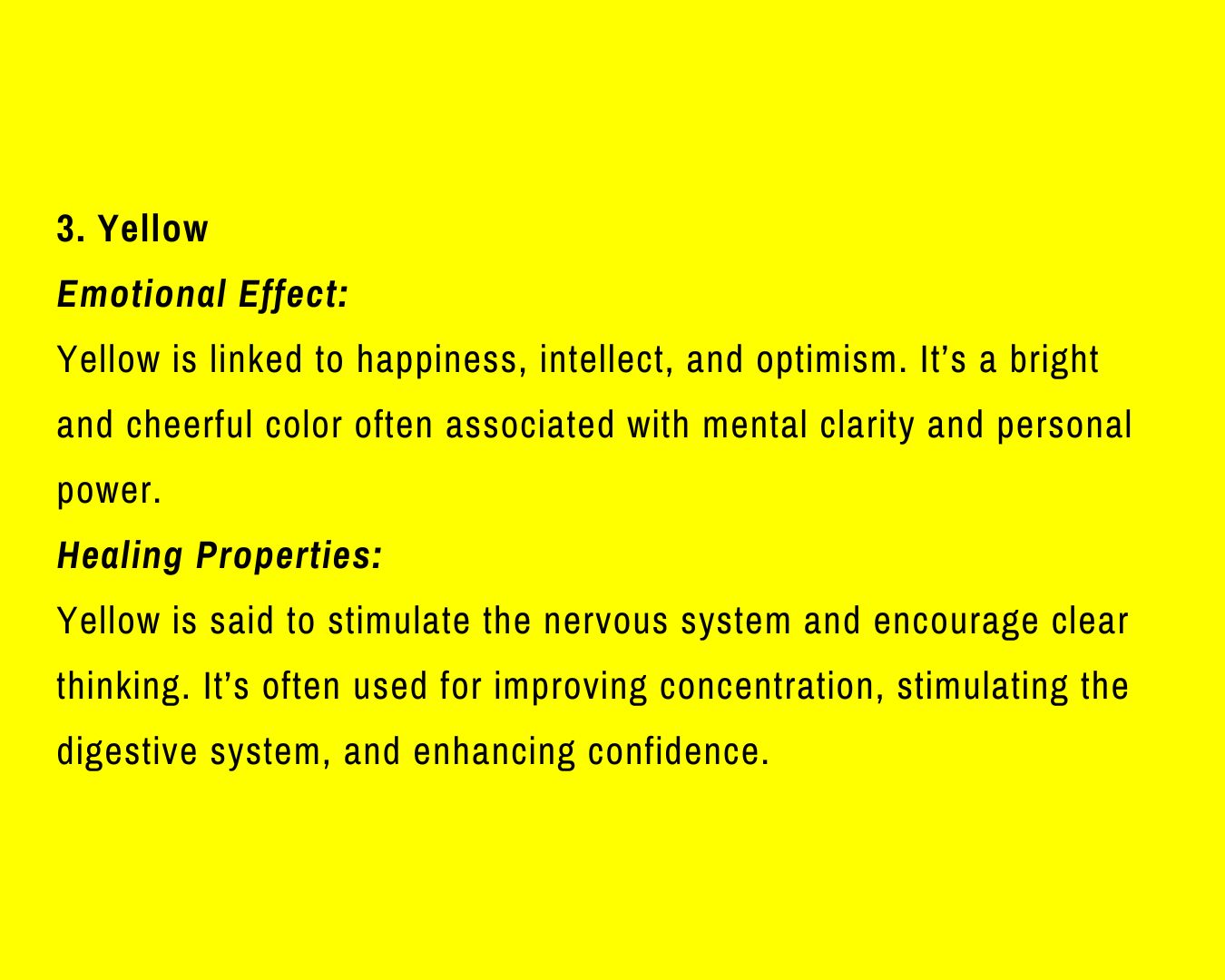
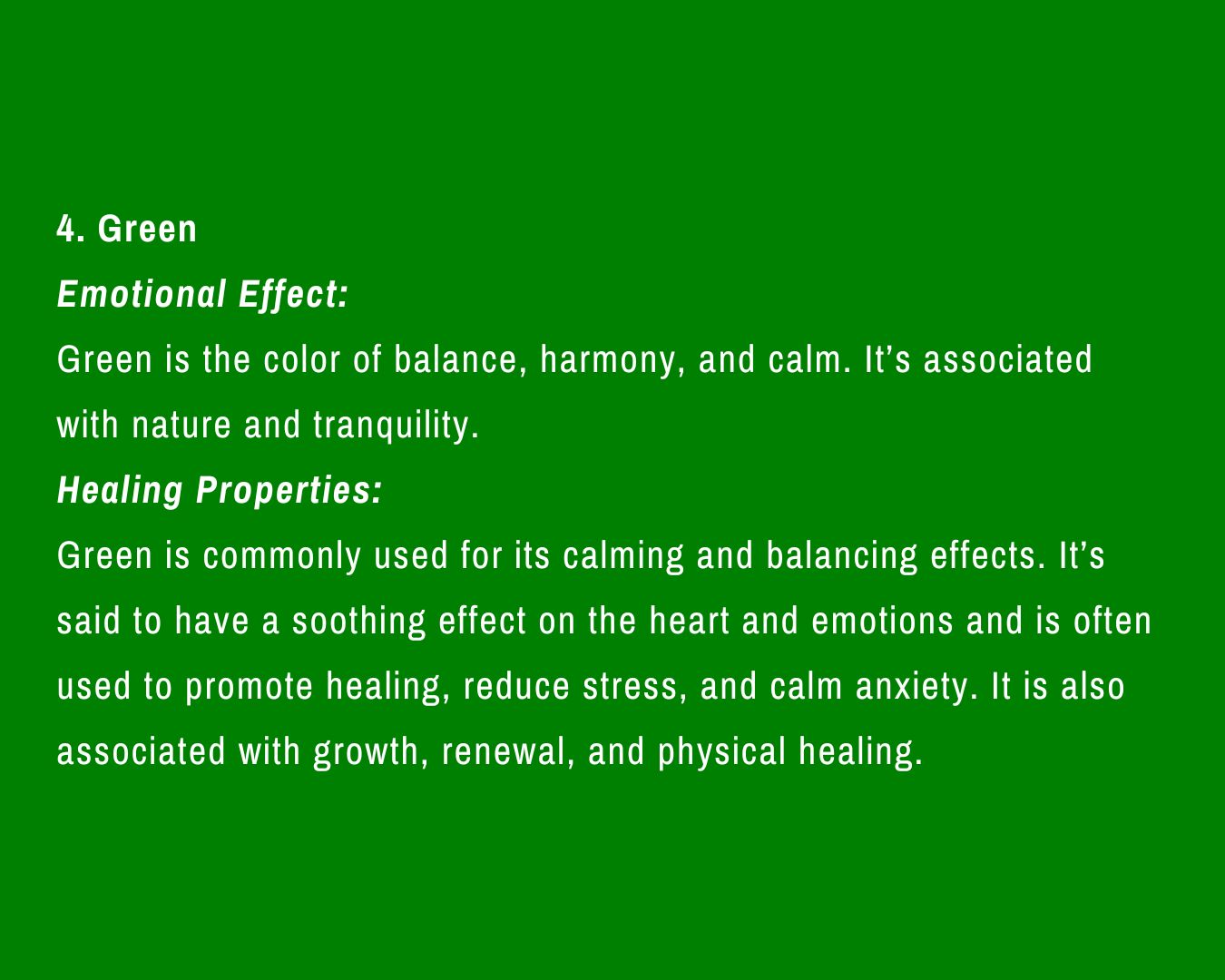
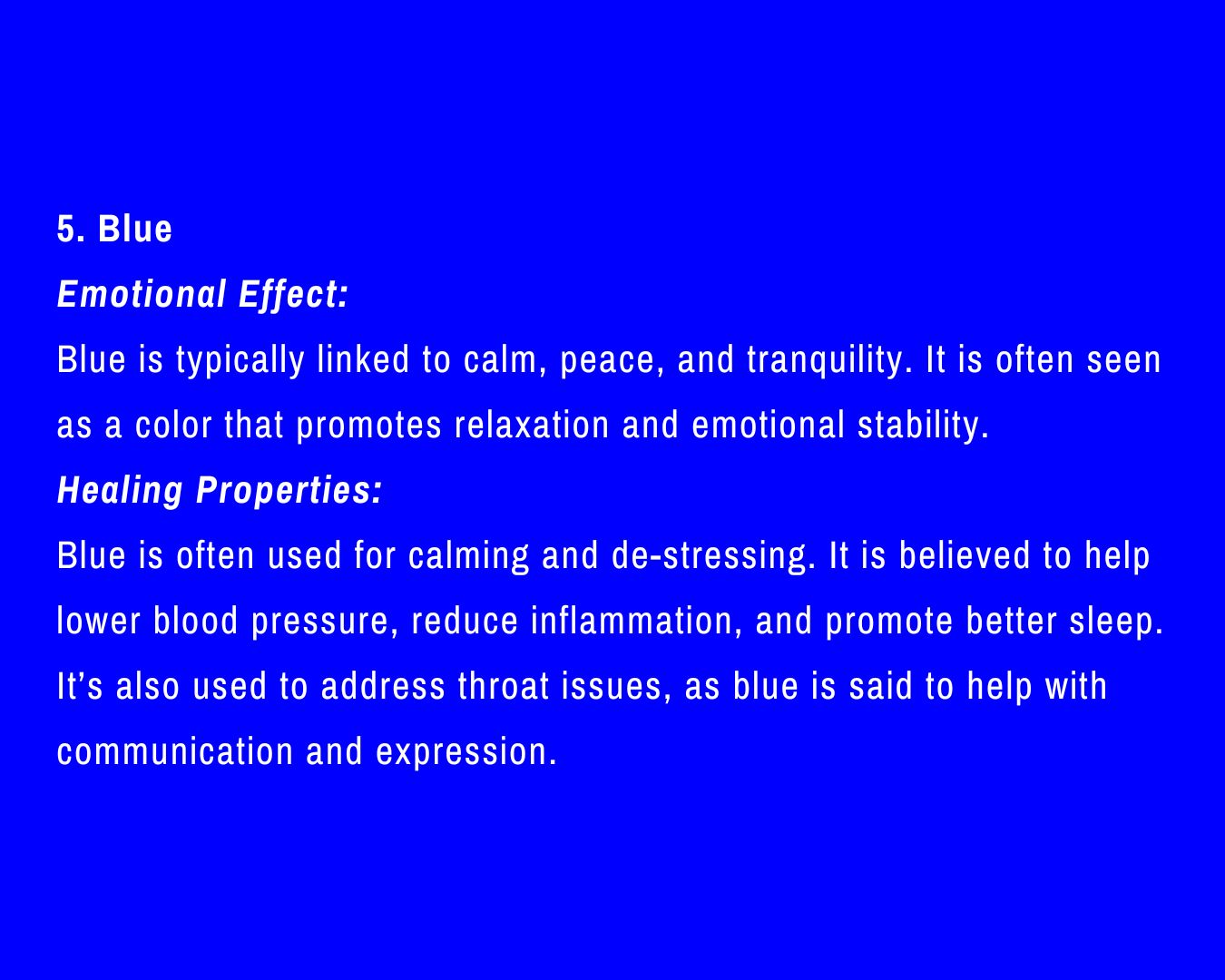
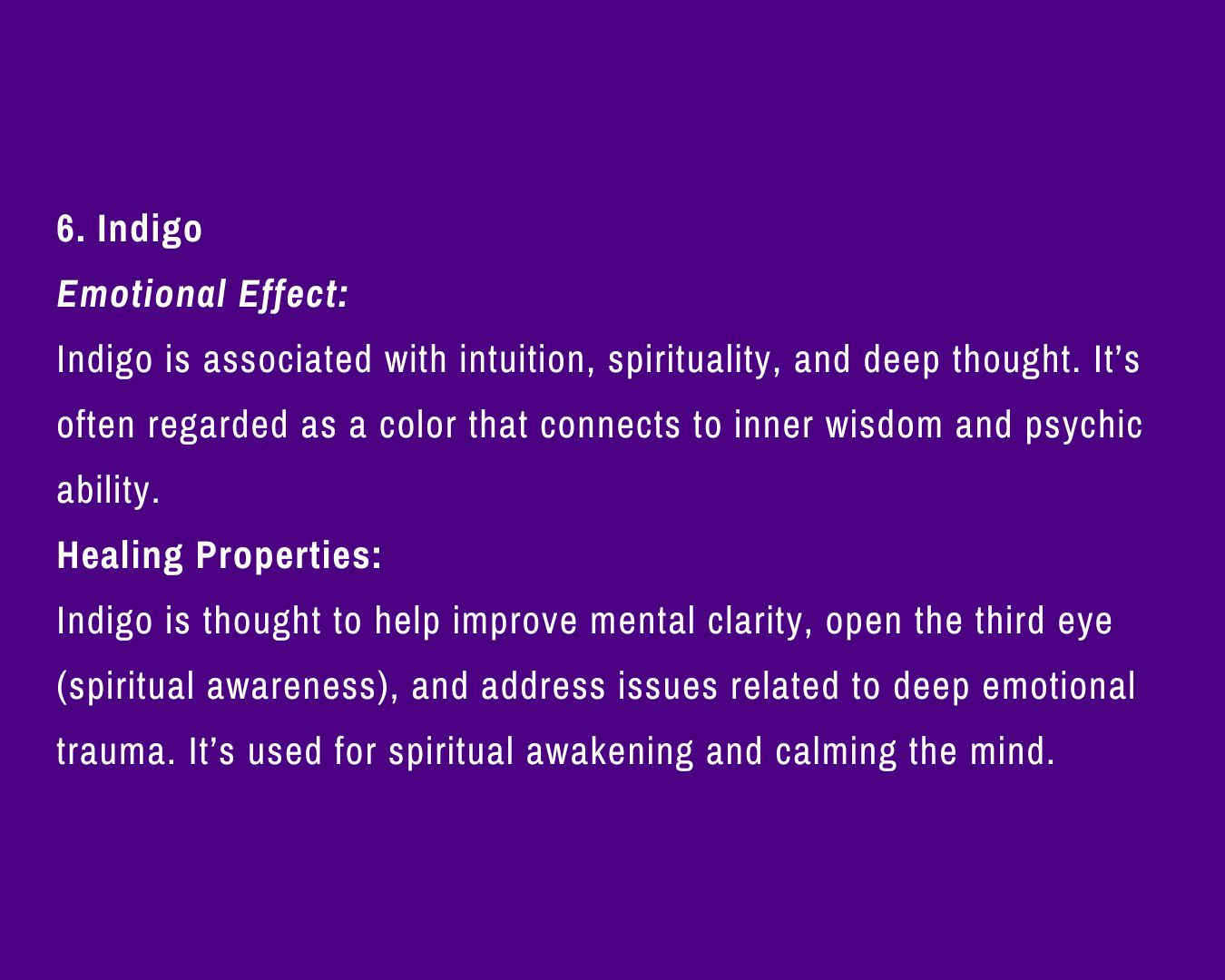
“Colour therapy, also known as chromotherapy, is a holistic treatment that uses colours to promote physical, emotional, and psychological healing. The basic premise of colour therapy is that different colours can have varying effects on a person’s mood, health, and energy levels. The practice is based on the belief that colours can stimulate or calm the body’s energy systems, influencing well-being. Colour therapy operates on the idea that colours can affect the body’s vibrational energy or aura, and using specific colours can help restore balance or promote specific outcomes. Each color is thought to correspond with different emotions, physical states, and energy levels.” If you’ve also heard the term “chakras” used before, they too are affiliate with a specific colour; see image below.
The Seven Main Colours in Colour Therapy:
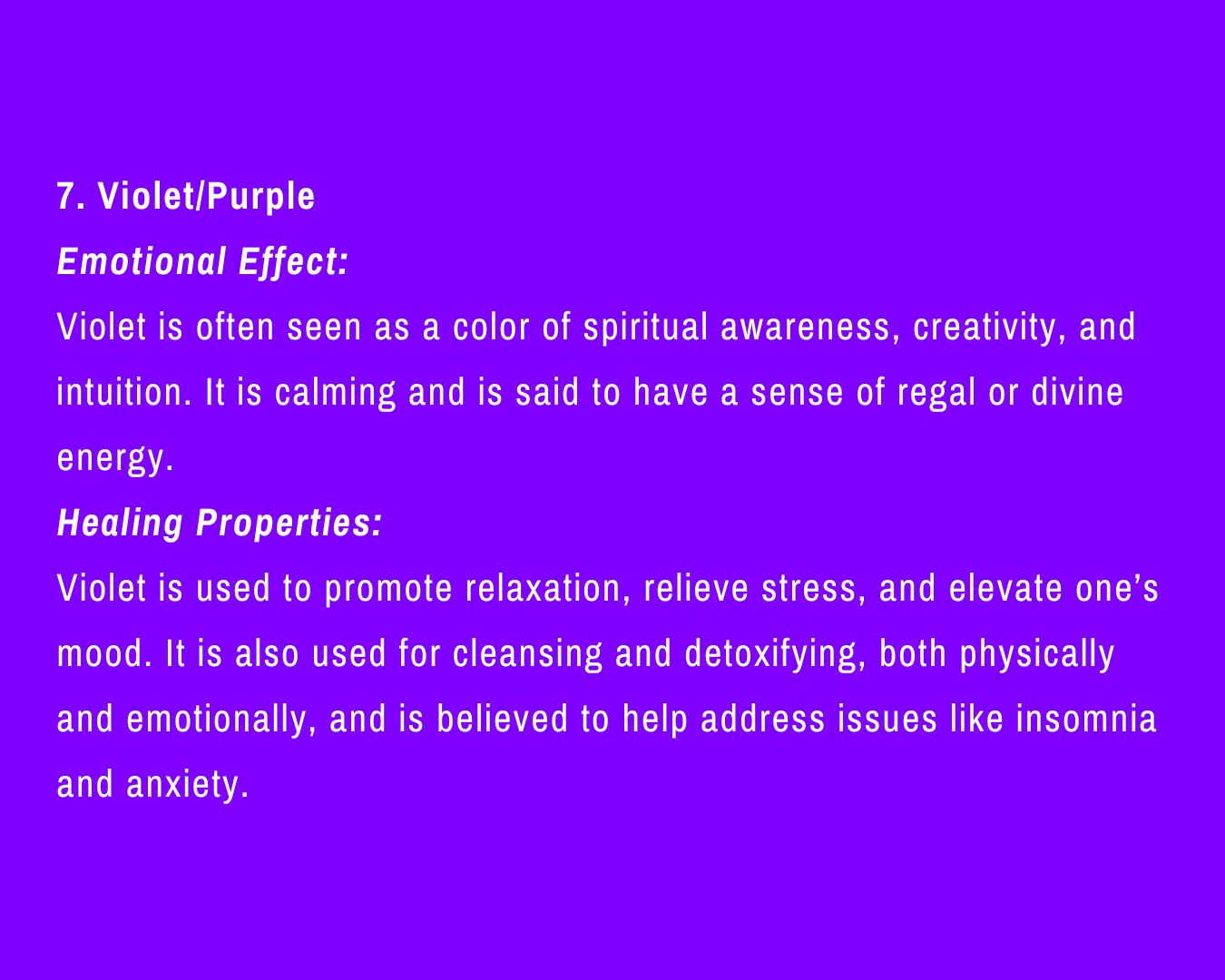
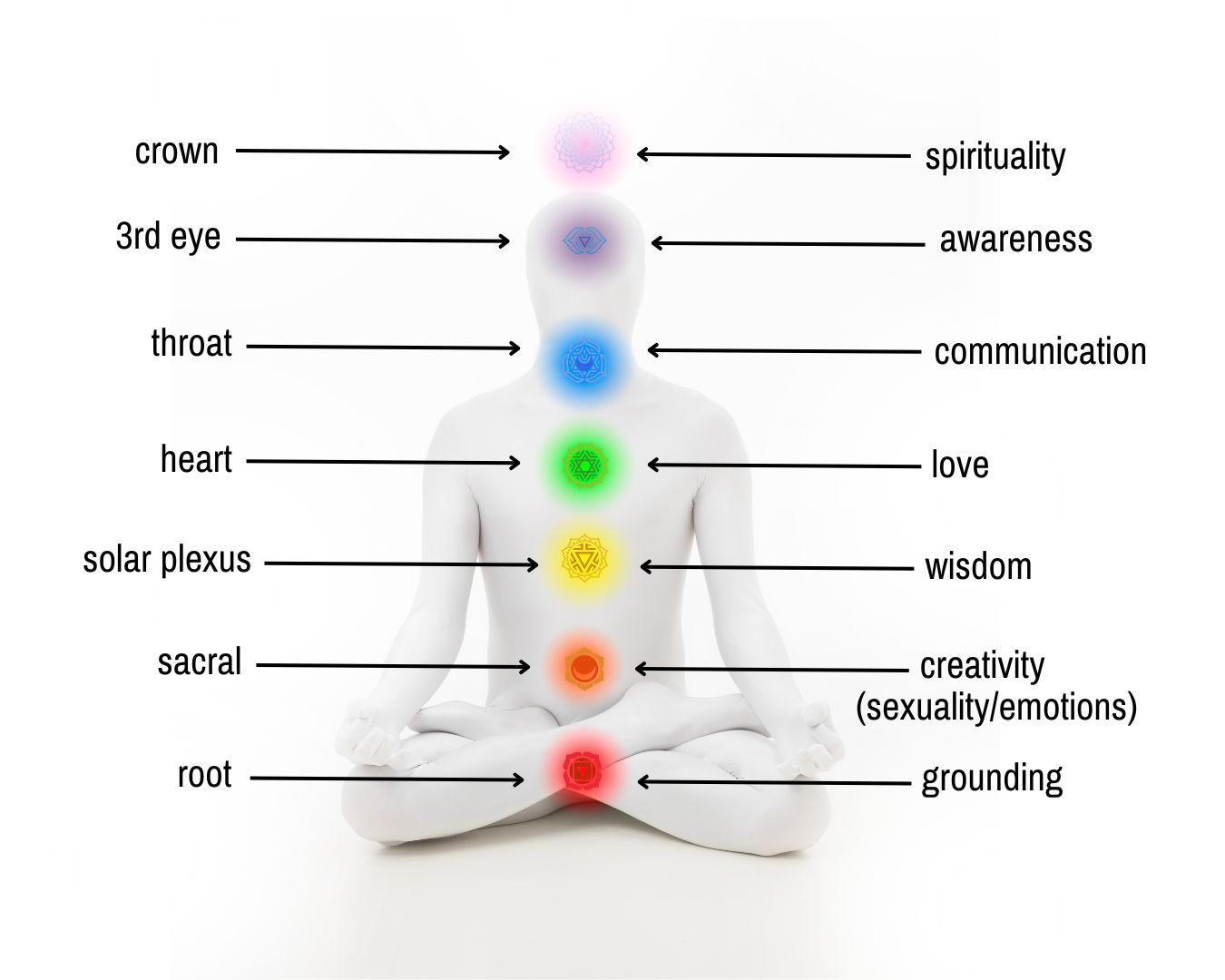
Researchers share…
Colour therapy can be applied in several ways, including: Colour Visualization, where a person may be guided to visualize a particular colour while meditating or during therapy sessions. For example, if someone feels anxious, they may visualize the colour blue to bring a sense of calmness to the body and mind.
Light Therapy (Chromotherapy), with coloured lights used (specialized lamps or lightboxes) to treat various conditions with where a person might be exposed to blue light to help with sleep disorders or yellow light to stimulate the mind.
And Coloured Gels and Filters using coloured gels or filters placed over light sources. The individual may sit in a room bathed in a certain colour of light, allowing the colour’s energy to influence them.
Shinrin-yoku
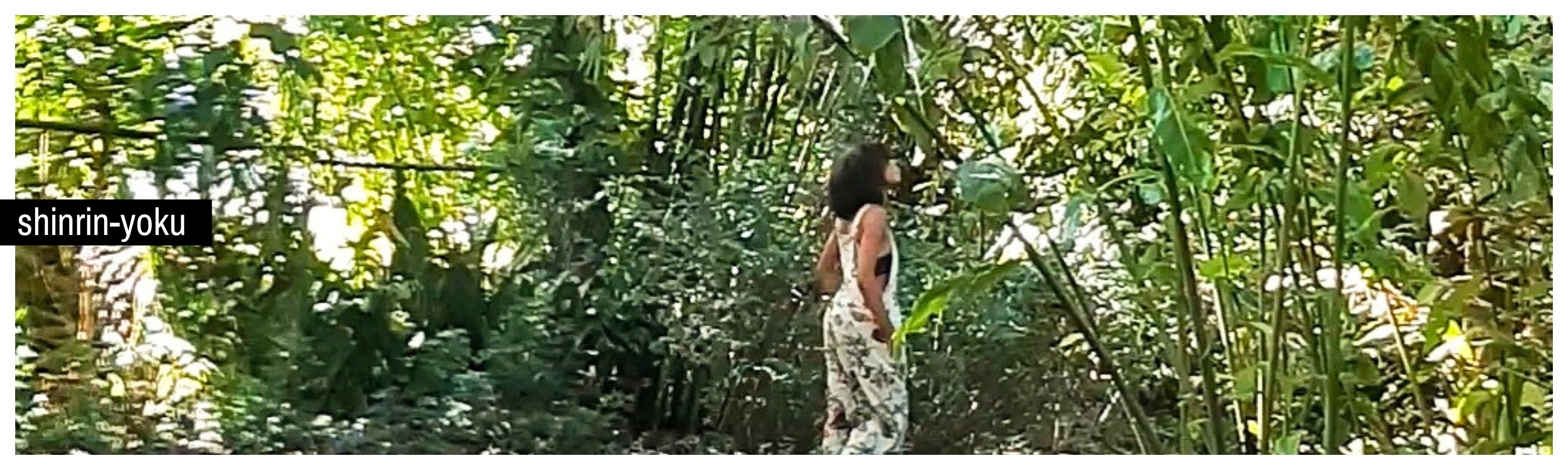
Take your leisurely park strolls up a notch and engage in “Shinrin-yoku”, a Japanese term that translates to “forest bathing”. A different kind of bathing you’re probably accustomed to though. “Shinrin-yoku was developed in Japan in the 1980s as a response to the increasing urbanization and the stress it caused people.” Studies showed that spending time in forests helped lower blood pressure, reduce stress hormones, improve mood, enhance immune function, and boost overall mental and physical health.
There’s a quote by John Muir “And into the forest I go, to lose my mind and find my soul”
Shinrin-yoku is the act of being completely open to, engrossed in, and receptive to all the elements of the forest and engaging your senses.
Starting with “Mindful Walking”, a slow and mindful walk, observing the environment. Taking deep breaths, and taking in the sights and sounds around you as you go. When you become more enthralled with the activity, you’ll then be more attentive to the different features of the different characters of the forest. How, with each tree, there’s a unique shape, colour, and even scent. You’ll not only hear the chirping of the birds, but you may also here the sound of squirrels and other local creatures. Being fully present in the moment is key, without distractions, allowing the activity to reconnect you, and remind you of our oneness with nature. Hug a tree! Tree hugging is a thing! Ever heard of the term “komorebi”? It’s a Japanese word describing how the sun light filters throw the trees’ leaves and branches, another beauty to take in while forest bathing.
If you’re an outdoorsy person already, give it a try after your bike ride, during your hike, bird watching, on your next camping trip … and take it from there. See how differently it feels.
… ready to get out?

Foraging
Gardening
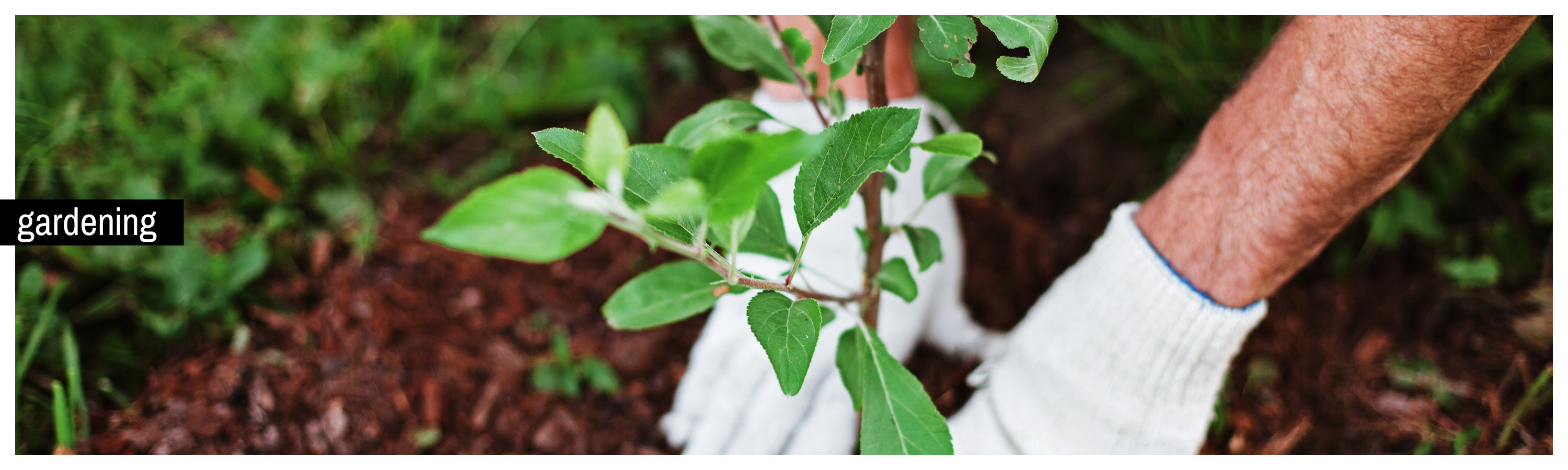
Are you someone who loves plants and flowers, maybe gardening? It’s ok if you’re not the greatest at it. As long as you find joy in partaking in the activity itself and you’re getting better, it’s all good. Did you know that gardening is a form of ecotherapy? And participating in a little gardening is not only good for your yard, but also good for your physical and mental health. Nature plays such a major role in our wellbeing, as much as we play a role on it. Caring for and nurturing plants establishes that connection with nature and gives the feelings of great self worth, accomplishment, satisfaction and gratitude.
Grow your own herbs, vegetables, flowers, plants, and even trees, either indoor in containers, or in an outdoor garden space. Growing up we had cherry trees, pea trees, spinach, and lettuce, to name a few. I loved it! Anyone can start gardening too. Outdoors or indoors. I had a windowsill garden when I lived in NY that had herbs I used to cook with. Needless to say I killed it. I forgot the window opened one night and had to work late. May it rest in peace. It was nice while it lasted. Nevertheless, nothing beats a failure but a try! And try I did! I love flowers and I love being outdoors. I’m not a gardener, but I will get out and cut the grass, shear a hedge or trim a tree.
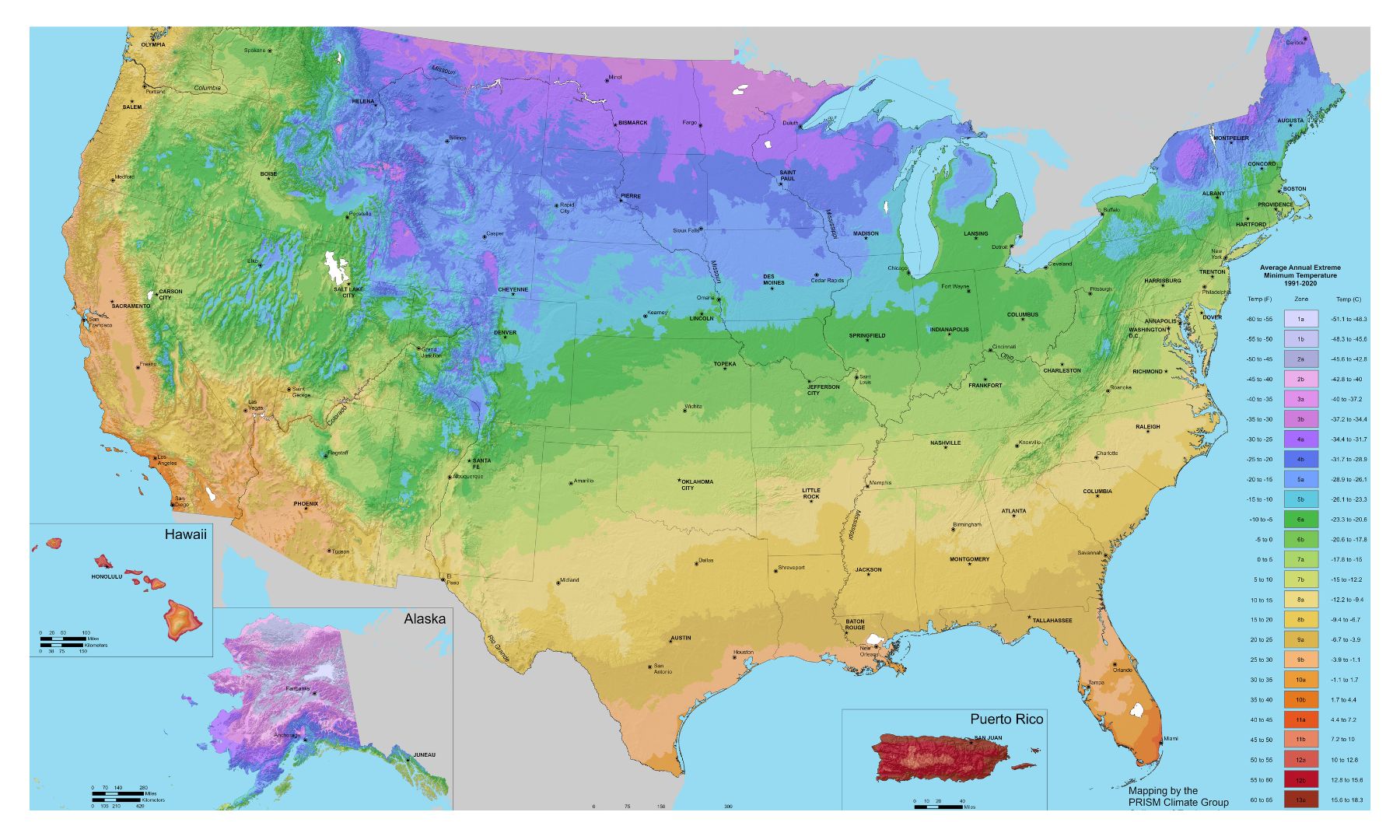
Think about what you would like to try your hand with. Decide and plan. Plant, maintain, and reap your harvest. They’re charts that share best times to plant what and when to reap them based on your zone and its weather conditions and temperatures. Might be worth looking into if you’re really serious about having your own garden and growing your own foods. Take a look at the chart below and check out the site.
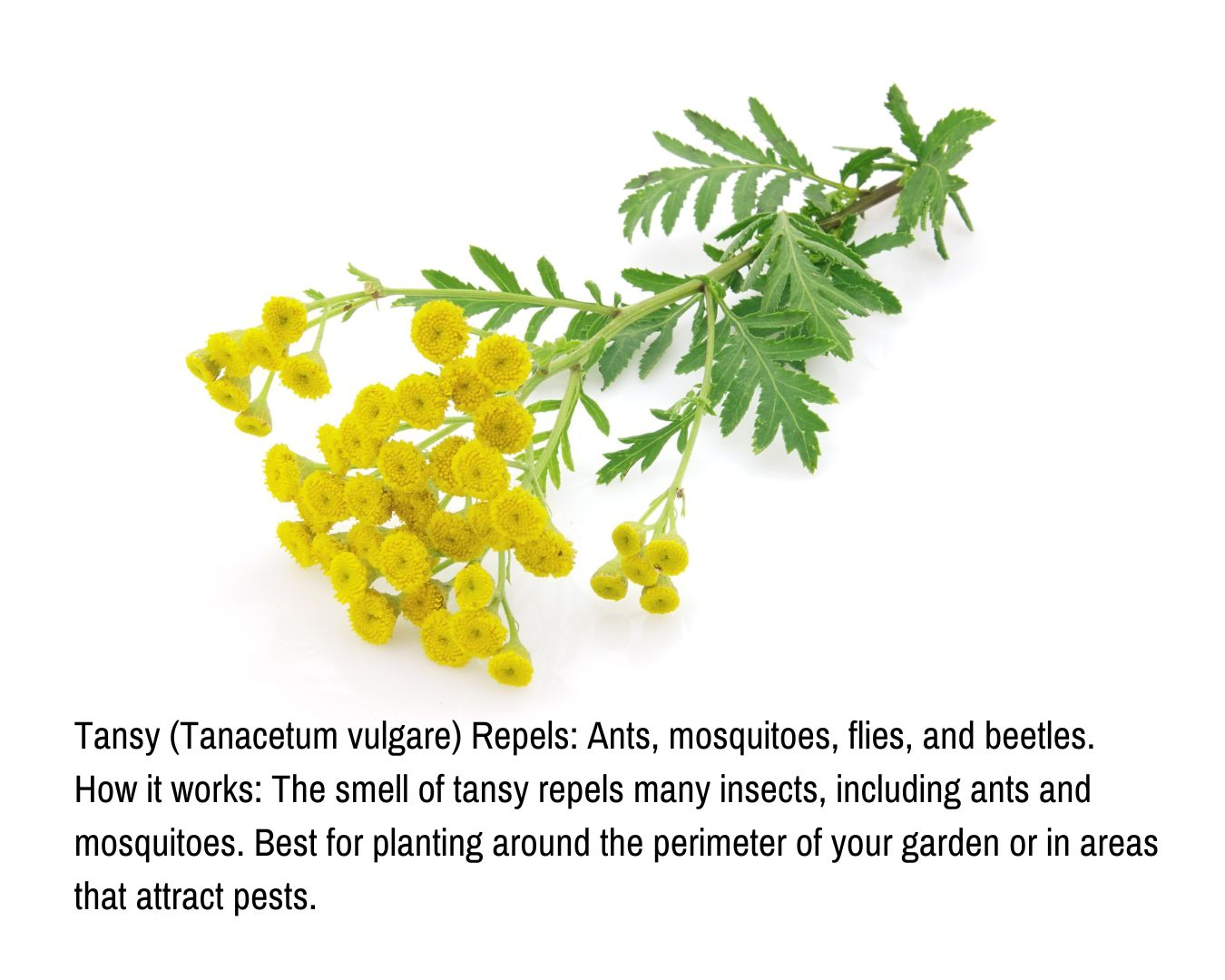
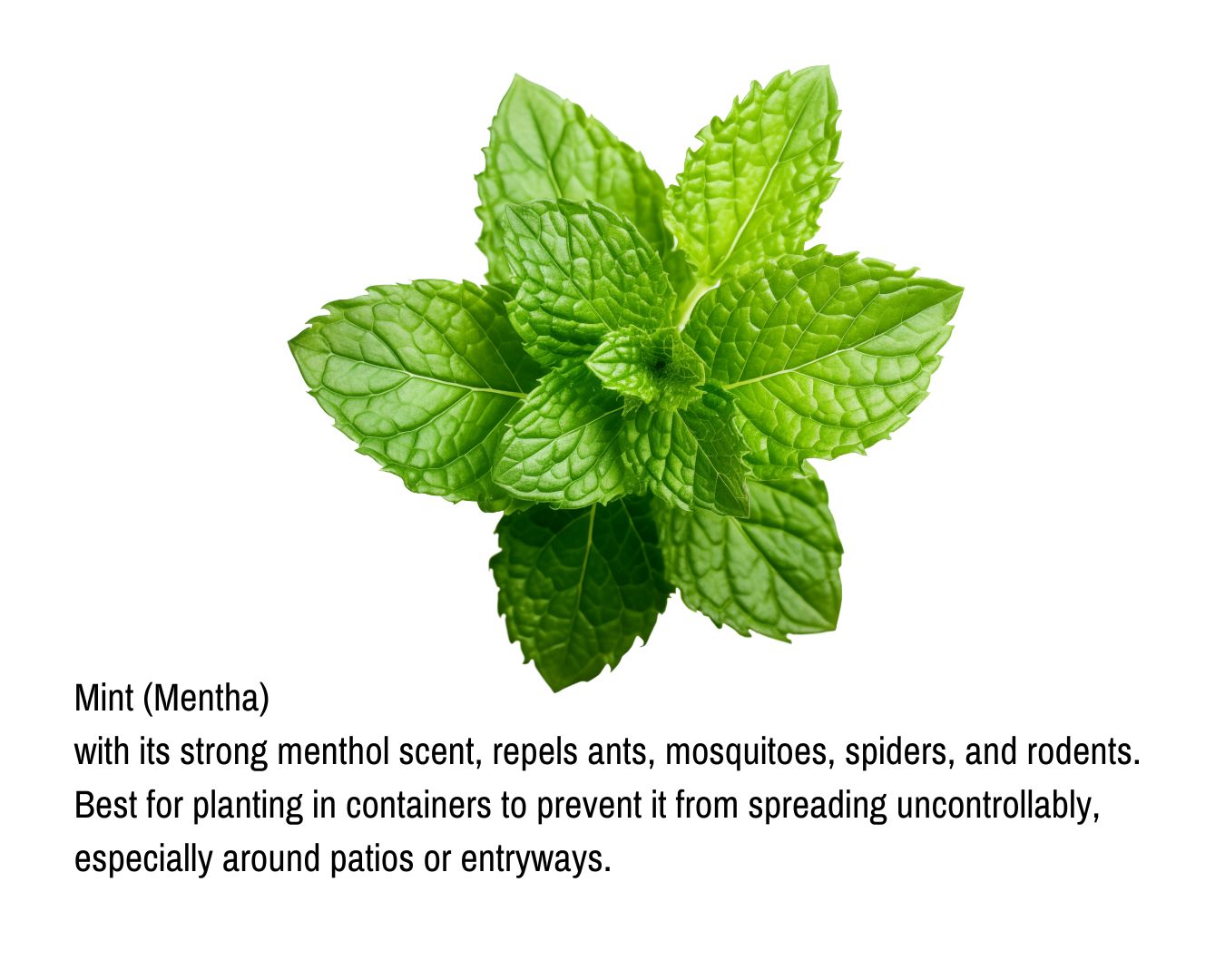
Some plants as natural repellents include Marigolds, often considered one of the most effective all-around pest-repelling plants, repelling: aphids, mosquitoes, whiteflies, nematodes, and some beetles. It produce a strong scent that repels a variety of pests, and their roots excrete a substance that helps deter soil-borne pests, like nematodes. It also attracts beneficial insects like ladybugs and pollinators, adding both pest control and beauty to your garden. Plant around vegetables like tomatoes, peppers, and cucumbers, or in flower beds.
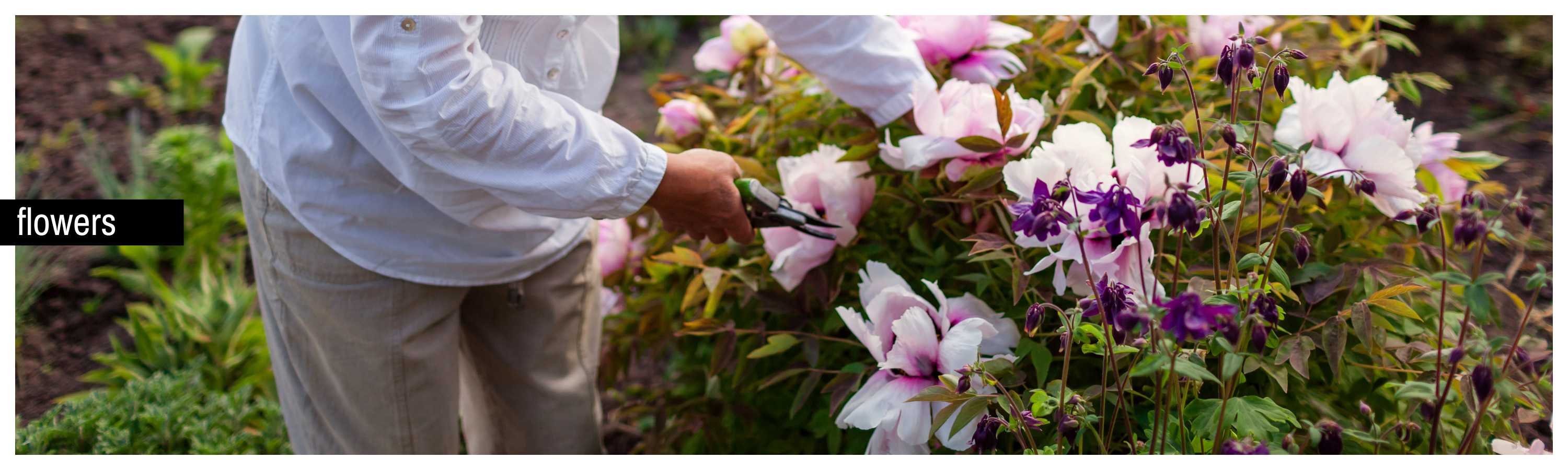
Flowers
Besides your DYI crafting projects, and food for your garden critters, flowers have many other uses. Used in religious and and spiritual ceremonies and offerings, having different meanings and symbolisms in different cultures. Used in many fragrances and essential oils, soaps and other skin care products. And also used in candle making.
Just as the deer eat the flowers in your backyard, you can also use some different flowers to spruce up your meals and show off your culinary skills. Taking it a step further, they’re some flowers that you can also use and take advantage of their medicinal and healing properties.
What’s your favourite flower and what do you love about it?
One of my favourite flowers is plumeria, also known as frangipani, and is a symbolism of love and affection.
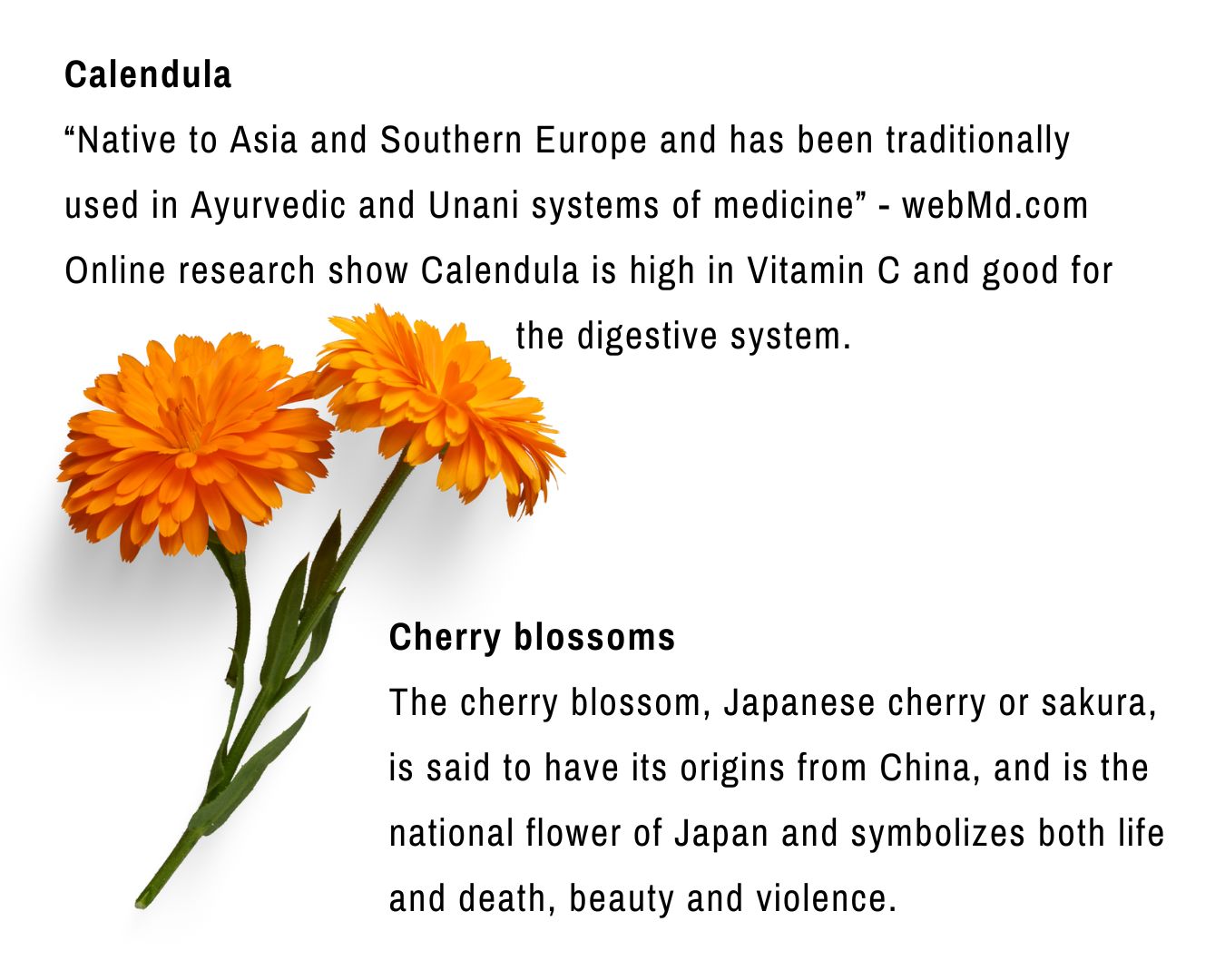
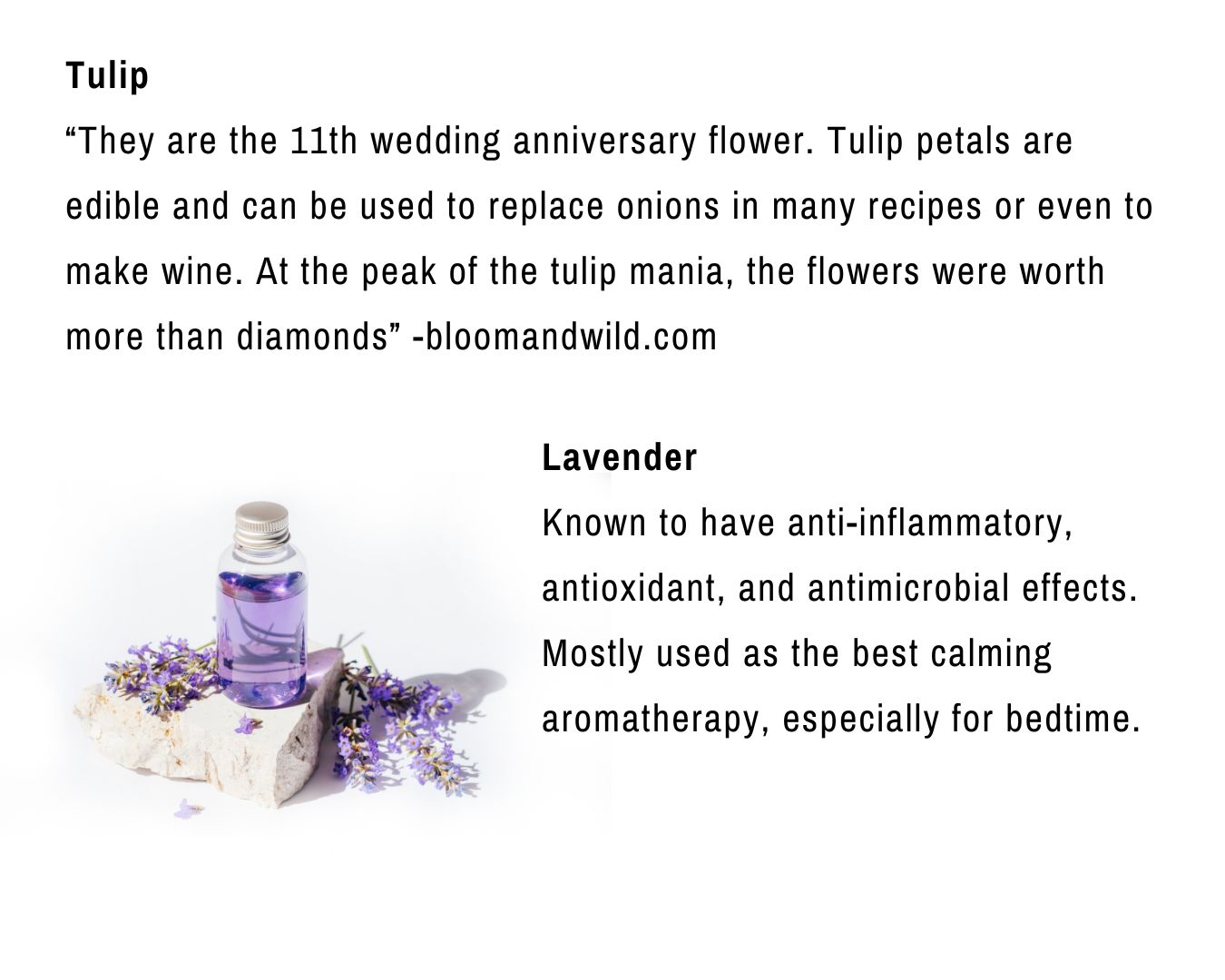
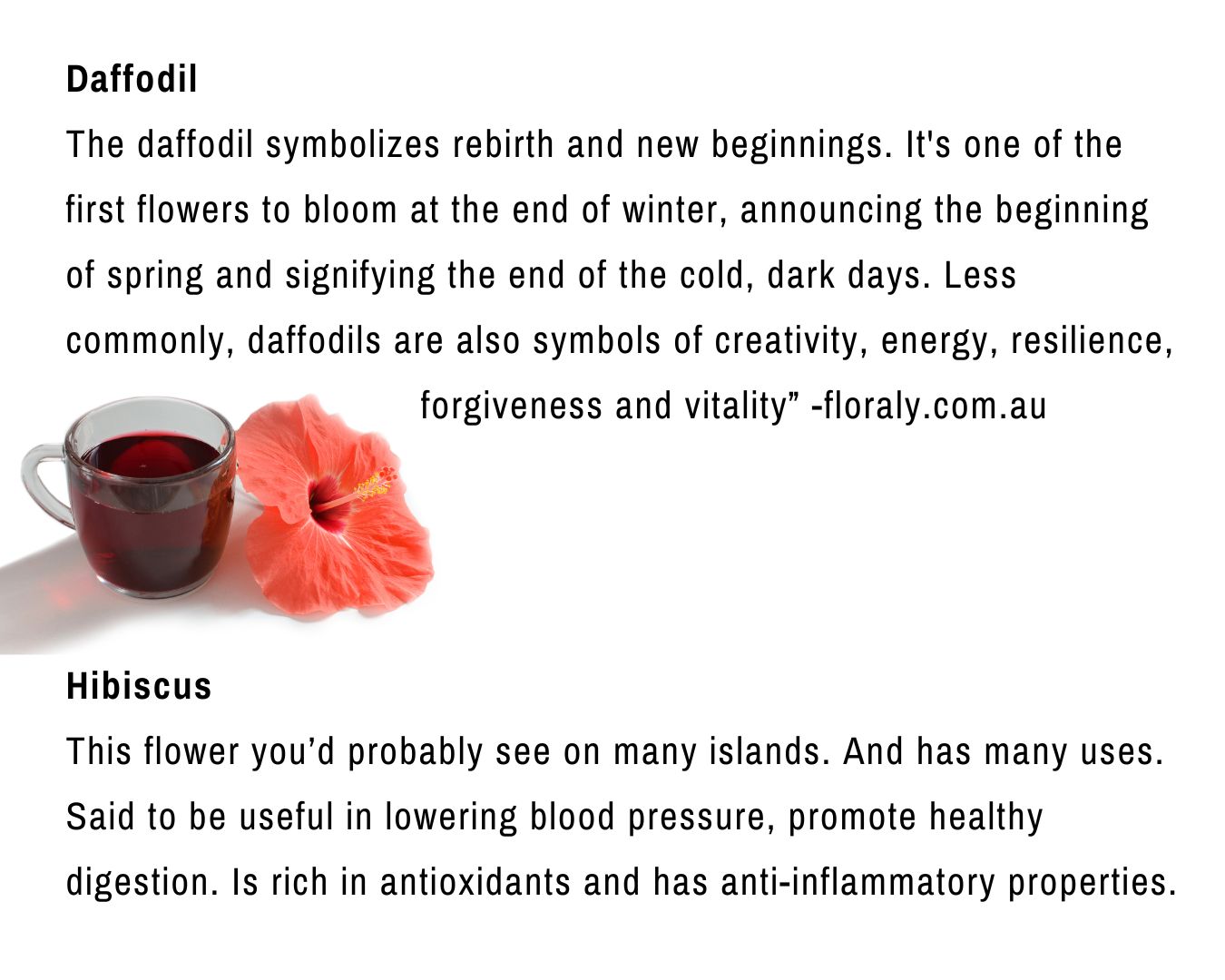
Take a look at some of popular flowers, their meaning, and their uses


Grounding
When you hear or think of the term “grounding” you might think electrical or engineering work. Well, when it comes to the human body, it’s kind of the same thing. Grounding or “earthing” is physically connecting our body to the earth’s surface and engaging in the exchange of energies, as both the earth and the human body are like electric entities. Not necessarily in terms of when you turn on a light switch, but just think of the ions and cells dancing around in our body that circulate our vessels and grows our hair and nails, and then think of the plants, and the trees, and the flowers, and how they grow and bud and shed and continue to grow again. Think of what causes the oceans push and pull, an earthquake, a volcanic eruption. There’s a lot that’s going on underneath us in the earth that scientists are still trying to figure out. Either way, this isn’t about being scientific, grounding is one of the best ways to reconnect with our innate being and oneness with nature. The simple life. From easily walking barefoot on grass, dirt, or sand, or sitting or lying on the ground. Grounding has shown benefits from stress reduction to increased energy, reduced inflammation, improved sleep and enhanced mood. Whenever I travel, my first plan of action to make sure I find some grass or dirt to place my feet in and whatever the long winded explanation is, I can’t give it, other than I feel so much better after the long stressful journey.
Check out these two videos that do a way better job of explaining grounding or earthing.
… stick your feet in some dirt, and get to work.

Philes
what type of “phile” are you? And no, I’m not talking about The Matrix Movie.
Over the years I’ve discovered these different terms to describe people and found them very interesting. For example, a hydrophile is a person who loves water or aquatic environments, often associated with people who are drawn to oceans, lakes, or rivers. A geophile is someone who loves the earth, specifically the study or appreciation of soil, rocks, and geological formations. Some of the etymology so far has been Asian, Greek or Latin. Etymophile – A person who loves words, especially etymology or the study of the origin and history of words. Find your word here!

Disclaimer: From time to time, I may promote, affiliate with, or partner with other individuals or businesses whose programs, products and services align with mine. In the spirit of transparency, I want you to be aware that there may be instances when I promote, market, share or sell programs, products or services for other partners and in exchange I may receive financial compensation or other rewards. Please note that I am highly selective and I only promote the partners whose programs, products and/or services I respect. At the same time, you agree that any such promotion or marketing does not serve as any form of endorsement whatsoever. You are still required to use your own judgment to determine that any such program, product or service is appropriate for you. You are assuming all risks, and you agree that I am not liable in any way for any program, product or service that I may promote, market, share or sell on or through this Website.

You must be logged in to post a comment.